
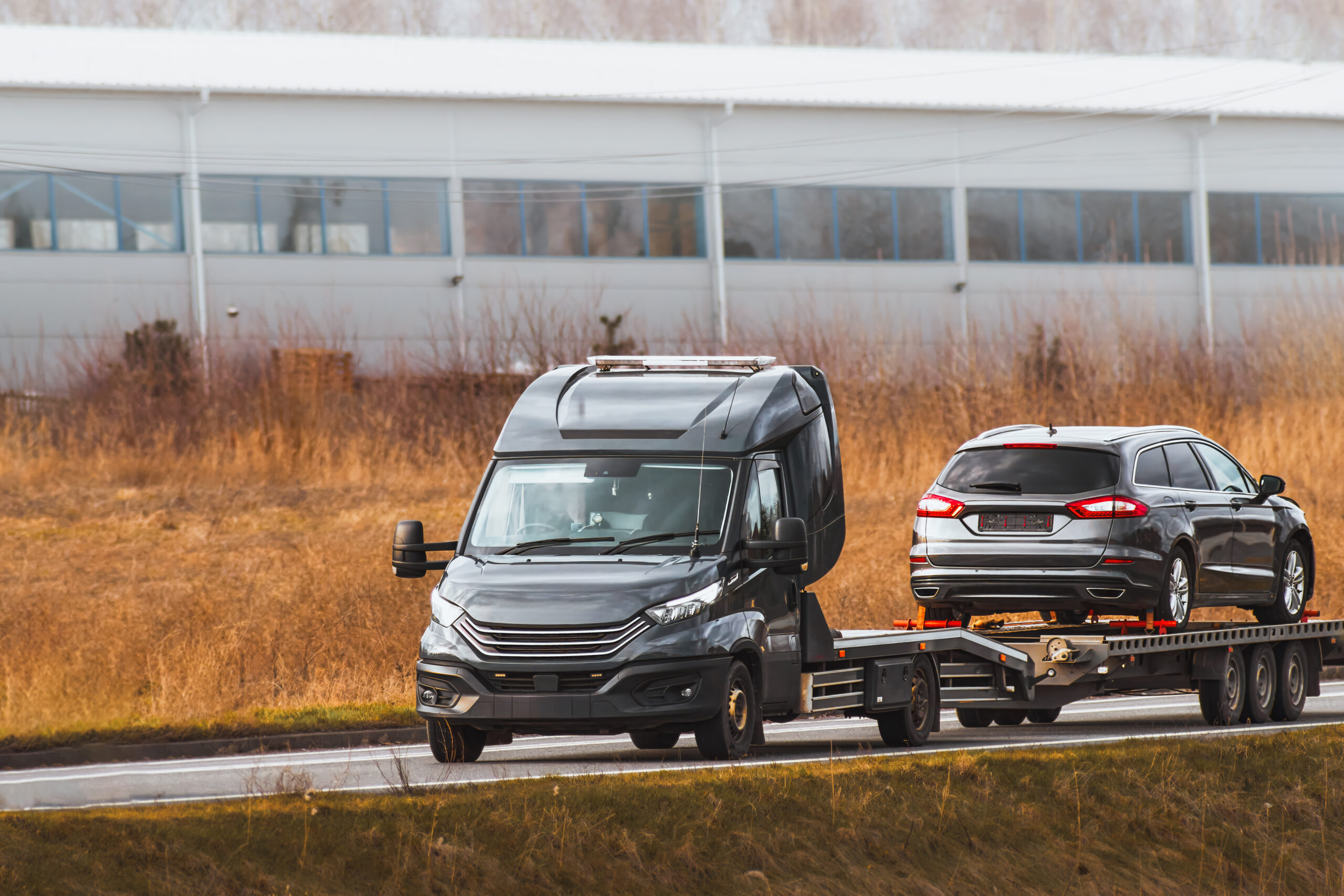
When you book vehicle transport in the UK, you will often hear about two main options: open transport and enclosed transport. Both methods are safe when used correctly, but they suit different types of vehicles and budgets.
This guide explains the differences between open and enclosed transport so you can decide which option is right for your car, van or motorbike.
What is open vehicle transport
Open vehicle transport means your vehicle travels on a flatbed truck or open trailer. It is the most common type of transport used every day for:
- Standard road cars and family vehicles
- Small vans and light commercial vehicles
- Many motorbikes and scooters
- Non running vehicles going to garages or bodyshops
The vehicle is exposed to the weather while on the truck, but it is still properly secured and insured.
Benefits of open vehicle transport
Open transport has several advantages:
- Usually the most cost effective option
- Trucks and trailers are widely available across the UK
- Suitable for most everyday vehicles
- Often faster to arrange because more slots are available
For most standard cars, this is the ideal balance of price and practicality.
What is enclosed vehicle transport
Enclosed vehicle transport means your car travels inside a covered trailer or box body truck. The vehicle is protected from weather, road dirt and public view.
This option is often chosen for:
- High value classic cars
- Supercars and performance vehicles
- Show cars and concours vehicles
- Fresh restorations and sensitive paintwork
Enclosed transport offers the highest level of protection during transit.
Benefits of enclosed vehicle transport
The main advantages of enclosed transport are:
- Full protection from rain, wind, salt and road debris
- More privacy for high value or rare vehicles
- Controlled loading with specialist ramps and equipment
- Ideal for cars with very low ground clearance
Owners who have invested heavily in their vehicles often prefer this level of care.
Cost difference between open and enclosed transport
Because enclosed trailers and trucks are more expensive to buy and run, and because this service is more specialised, enclosed vehicle transport is normally priced higher than open transport.
However, when you compare the extra cost to the value of a high end or rare vehicle, it is usually a small and sensible investment in protection.
How to decide which option is right for you
When choosing between open and enclosed transport, consider:
- Vehicle value – Higher value cars benefit more from enclosed transport
- Paint and body condition – Fresh paintwork and restorations deserve extra protection
- Weather and season – Enclosed can be attractive in winter or bad weather
- Budget – Open transport is more affordable for everyday cars
If you are unsure, you can ask the vehicle transport company for their recommendation based on your car and route.
Is open transport safe for normal cars
Yes. For standard road cars, open transport is a safe and common method used every day by dealers, traders and private customers.
As long as the truck is properly maintained, the driver is experienced and the vehicle is secured with correct straps and wheel chocks, your car will travel safely.
Choosing the best transport for your situation
Both open and enclosed vehicle transport options in the UK have their place. For most daily drivers, open transport offers great value. For high value, classic or show cars, enclosed transport gives maximum protection and peace of mind.
The most important step is to choose a professional, insured company. Once you have that, you can pick the method that matches your vehicle and budget.
0 Comments