
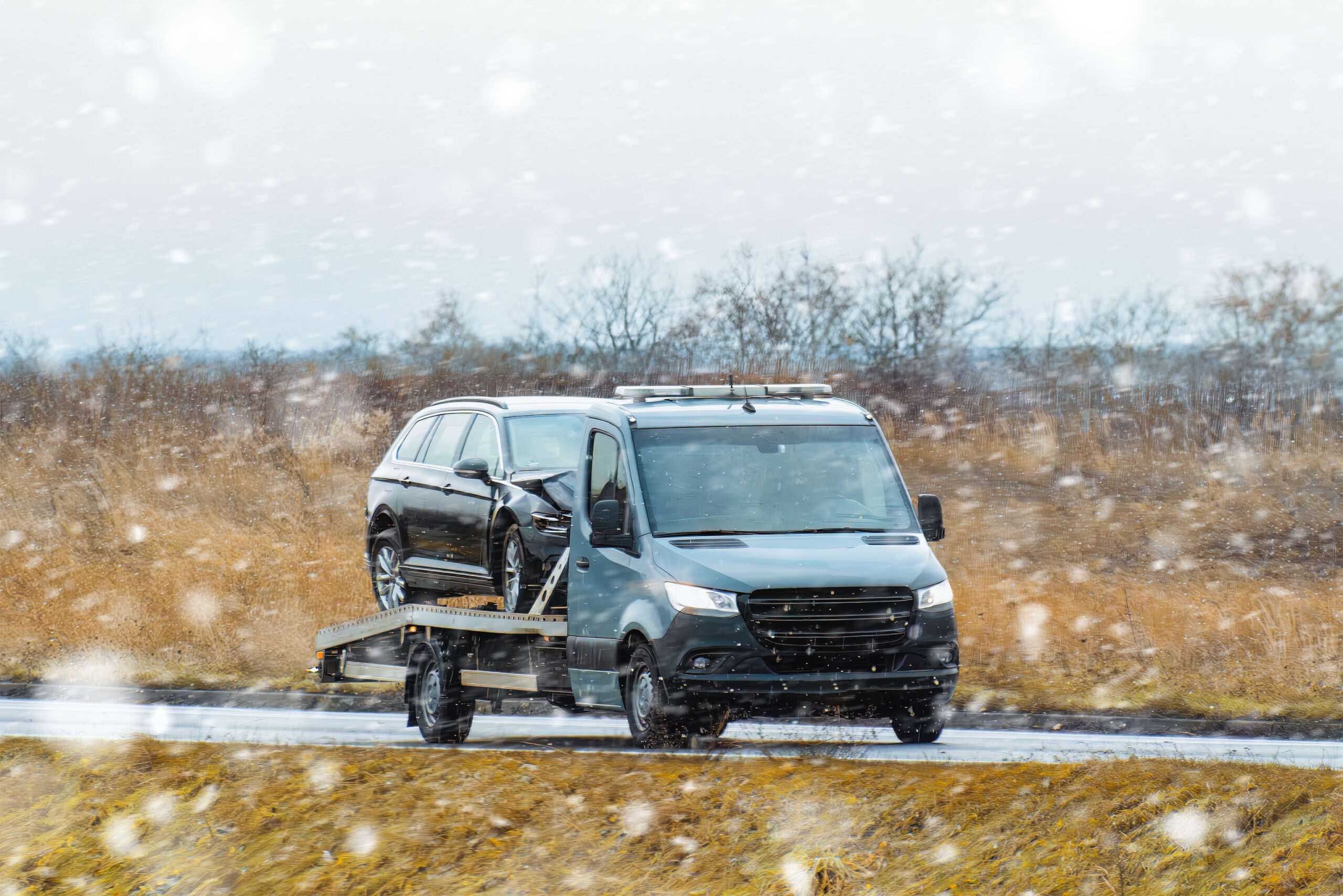
Rain, wind, ice and even snow are a normal part of British weather. These conditions affect not only everyday driving, but also vehicle transport and recovery services.
If you need to move a car, van or motorbike in winter or during storms, it helps to understand how professional transport companies handle bad weather and what you can do to help.
How bad weather affects vehicle transport
Winter weather can impact vehicle transport in the UK in several ways:
- Slower travel times due to reduced speed limits and poor visibility
- Road closures and diversions caused by accidents or flooding
- Longer loading and unloading times on icy or wet surfaces
- Safety checks taking more time before journeys begin
Professional transporters adjust their driving, routes and schedules to keep everyone safe.
Safety first when planning winter transport
Responsible vehicle transport companies always put safety first. That can mean:
- Postponing or rescheduling jobs if conditions are dangerous
- Allowing extra time for each journey
- Using alternative routes if main roads are blocked
While delays are never ideal, they are sometimes necessary to protect your vehicle, the driver and other road users.
How to plan winter vehicle transport
When booking transport in winter or during bad weather periods, you can help by:
- Being flexible with dates and time windows when possible
- Booking early instead of last minute, especially around holidays
- Providing clear information about access, hills and narrow roads
Flexibility allows the transporter to choose the safest and most realistic time to move your vehicle.
Preparing your vehicle for winter transport
Before collection in bad weather, prepare your vehicle by:
- Checking that windows and sunroof are fully closed
- Removing or securing external accessories that could be damaged by wind
- Ensuring the handbrake works correctly
- Removing snow or ice from the roof if the car has been standing outside
If the vehicle is a non runner, let the company know so they can plan safe loading on slippery surfaces.
Transporting motorbikes in winter
For motorbikes, bad weather is an even stronger reason to use professional bike transport instead of riding:
- Cold, wet and icy conditions increase the risk of accidents
- Road salt and spray can quickly corrode metal parts
- Strong winds make long distance riding more dangerous
Transporting the bike in a van or on a covered trailer protects both you and the motorbike.
Communication during bad weather
When storms or snow are forecast, good communication is essential. A professional transporter will:
- Update you if they expect delays
- Explain any route changes or new time estimates
- Discuss rescheduling if conditions are unsafe
You can help by keeping your phone on and checking messages on the day of collection and delivery.
Insurance and vehicle protection
Even in bad weather, your vehicle should still be covered by the transport company’s goods in transit insurance and protected by proper loading methods.
On open trucks, some exposure to rain and road spray is normal. For very sensitive vehicles, you can discuss enclosed transport as an extra layer of protection.
Moving vehicles safely all year round
Winter and bad weather do not stop vehicle transport and recovery services in the UK, but they do require more planning, flexibility and patience from everyone involved.
By choosing an experienced, safety focused transport company and preparing your vehicle properly, you can move cars, vans and motorbikes safely even when the weather is not perfect.
0 Comments