
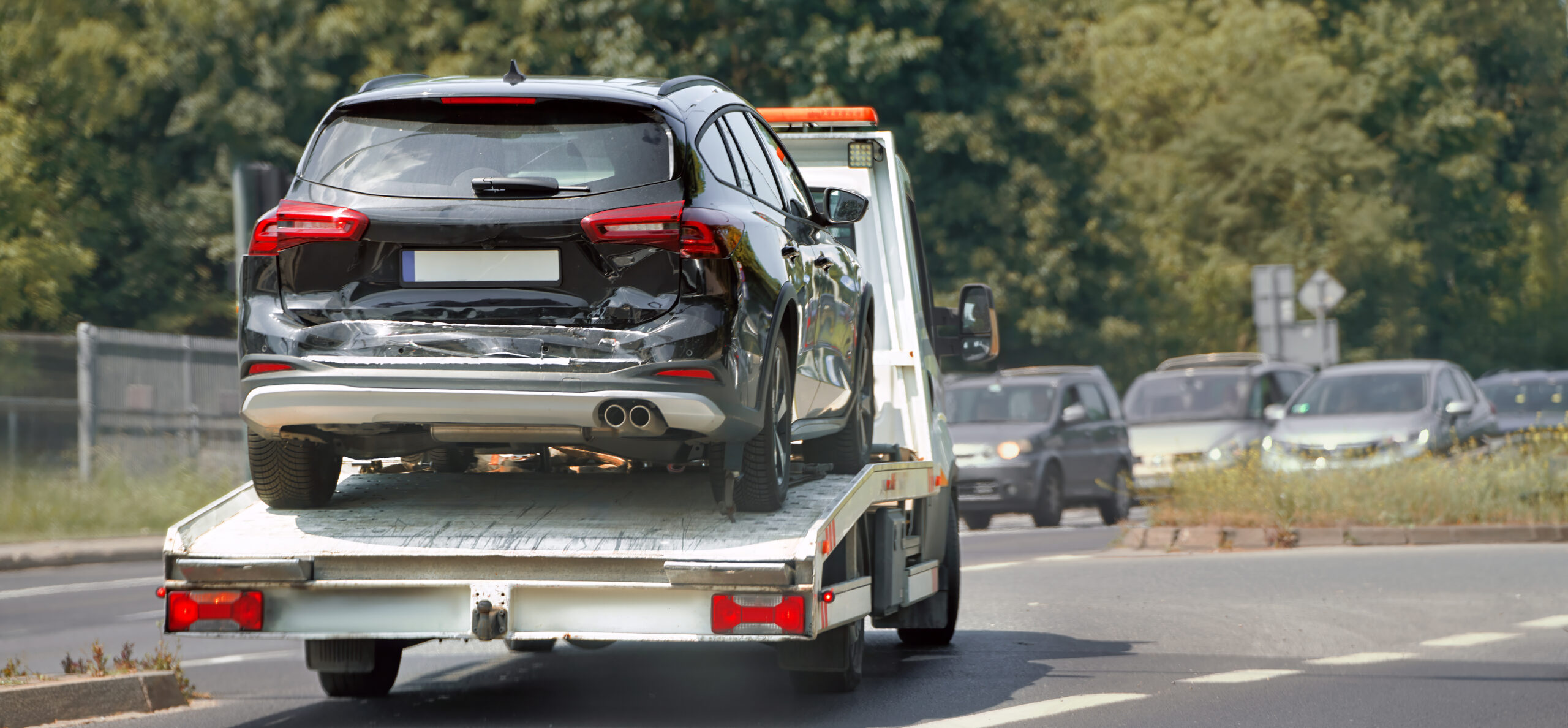
Many companies in the UK offer door to door vehicle transport, but not everyone is sure what this actually means in practice. Does the truck really come to your front door How close can they get What if you live on a narrow street
This guide explains how door to door car transport works and what to expect on collection and delivery day.
What does door to door vehicle transport mean
Door to door transport means the vehicle transport company collects your car, van or motorbike as close as safely possible to the address you give, and delivers it as close as safely possible to the delivery address.
In many cases this is your home driveway. In other situations it may be:
- A wider road near your home
- A nearby car park
- The entrance to a yard, workshop or dealership
The key word is safe and practical access for the truck.
When the truck can reach your driveway
On quiet residential streets with enough space to turn and no low bridges or tight corners, the truck can usually stop directly outside your property.
In that case, the driver can:
- Inspect the vehicle with you on your driveway
- Load or unload the car right outside your home
- Hand over keys and documents without you needing to move the car
This is the most convenient version of door to door vehicle transport.
When the truck cannot safely reach your property
Some locations are not suitable for large recovery trucks or car transporters, for example:
- Very narrow roads with parked cars on both sides
- Dead end streets with no turning space
- Low bridges or height restricted entrances
- Underground or multi storey car parks
In these cases the driver will suggest the nearest safe place to load or unload, such as a wider road or public car park.
You can then drive the vehicle the short distance between that point and your home if it is a runner.
Door to door for non running vehicles
For non runners, door to door car transport still applies, but access is even more important. The truck needs:
- Flat, solid ground for ramps and winch
- Enough space to work around the vehicle
- No obstacles that block loading, such as walls or poles
If your non running vehicle is at the back of a very tight driveway, talk to the vehicle transport company about the best loading point in your area.
How to help the driver on collection day
You can make door to door collection smoother by:
- Moving other cars so the transporter has space to park and turn
- Keeping gates open if needed
- Letting neighbours know if the road is very tight
- Preparing keys and documents in advance
Small details make a big difference to how easily the truck can reach your door.
Door to door for flats and city centre addresses
In city centres and blocks of flats, it is not always possible to stop right at the entrance. Often the truck will:
- Stop on a nearby main road where it is legal and safe
- Load or unload the vehicle there
- Ask you to meet there with keys and documents
This still counts as door to door vehicle delivery, as the service is tailored to the real conditions around your building.
Why door to door transport is more convenient
Compared to meeting a transporter at a distant depot or service area, door to door vehicle transport in the UK saves you time and hassle:
- No need to arrange taxis or lifts to far away locations
- No need to drive an unknown car on long journeys
- No need to take extra time off work just to collect a vehicle
Your car comes to you, or leaves directly from where it is now.
Realistic expectations for door to door service
Door to door transport does not mean blocking busy junctions or stopping illegally on main roads. It means doing everything reasonably possible to get as close to your door as safety and local rules allow.
By working together with your vehicle transport company and being flexible about the exact loading spot, you can enjoy all the convenience of door to door service without unnecessary stress.
0 Comments