
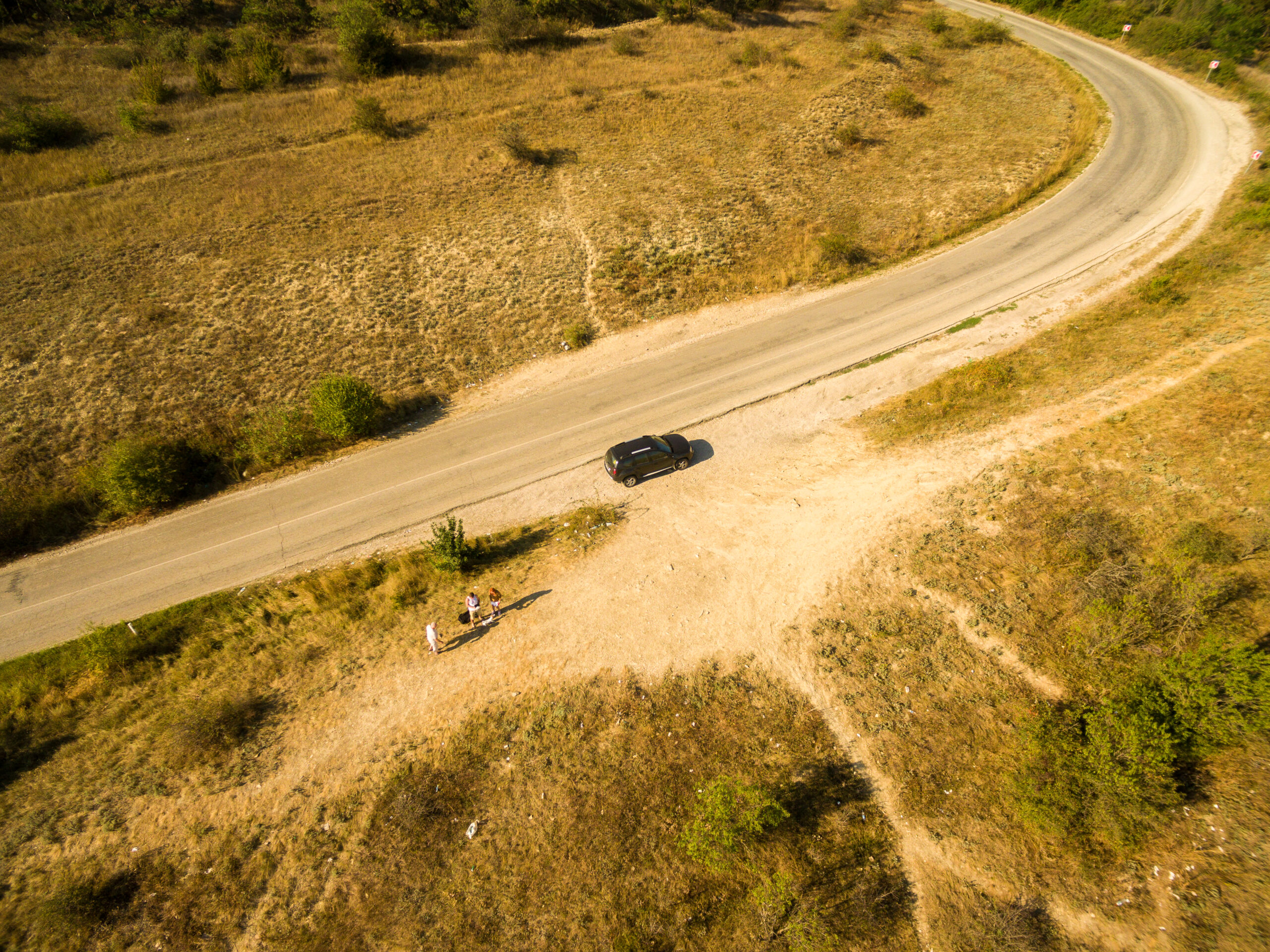
Vehicle transport is not always simple door to door on wide roads. In many parts of the UK, vehicles are located in rural areas with narrow lanes, steep driveways and limited turning space.
A professional vehicle transport company can still collect and deliver in rural locations, but the key is access planning and clear information.
Common access challenges in rural areas
Rural vehicle collections often involve:
- Narrow country lanes with passing places
- High hedges and limited visibility
- Steep or uneven driveways
- Soft ground, gravel or farm tracks
- Limited space to turn a truck or trailer
These factors can affect how and where loading can happen.
How rural collections are handled
In many cases, transport is still possible by:
- Using a smaller truck where needed
- Choosing a nearby meeting point on a wider road
- Loading on firm ground to avoid wheel sinking
- Planning arrival times to reduce conflict with local traffic
The goal is to keep collection safe for the driver, the vehicle and the local road users.
What to tell the transport company before booking
To avoid delays, share:
- Photos of the road and driveway entrance
- Whether there are tight corners or steep slopes
- If the vehicle is on grass, gravel or hard ground
- Any gates, width limits or access codes
- A suggested nearby meeting point if access is difficult
Good information helps the transporter bring the right equipment and plan a safe approach.
Non runners in rural locations
If the vehicle is a non runner, rural access becomes even more important. Winch loading needs flat, solid ground and enough space to work. In some cases, moving the vehicle a short distance to a better loading point can make the job much easier.
Safe collections with better planning
Rural vehicle transport is all about preparation. With clear access details and a flexible approach, a professional vehicle transport service can collect and deliver vehicles safely even in challenging countryside locations.
0 Comments