
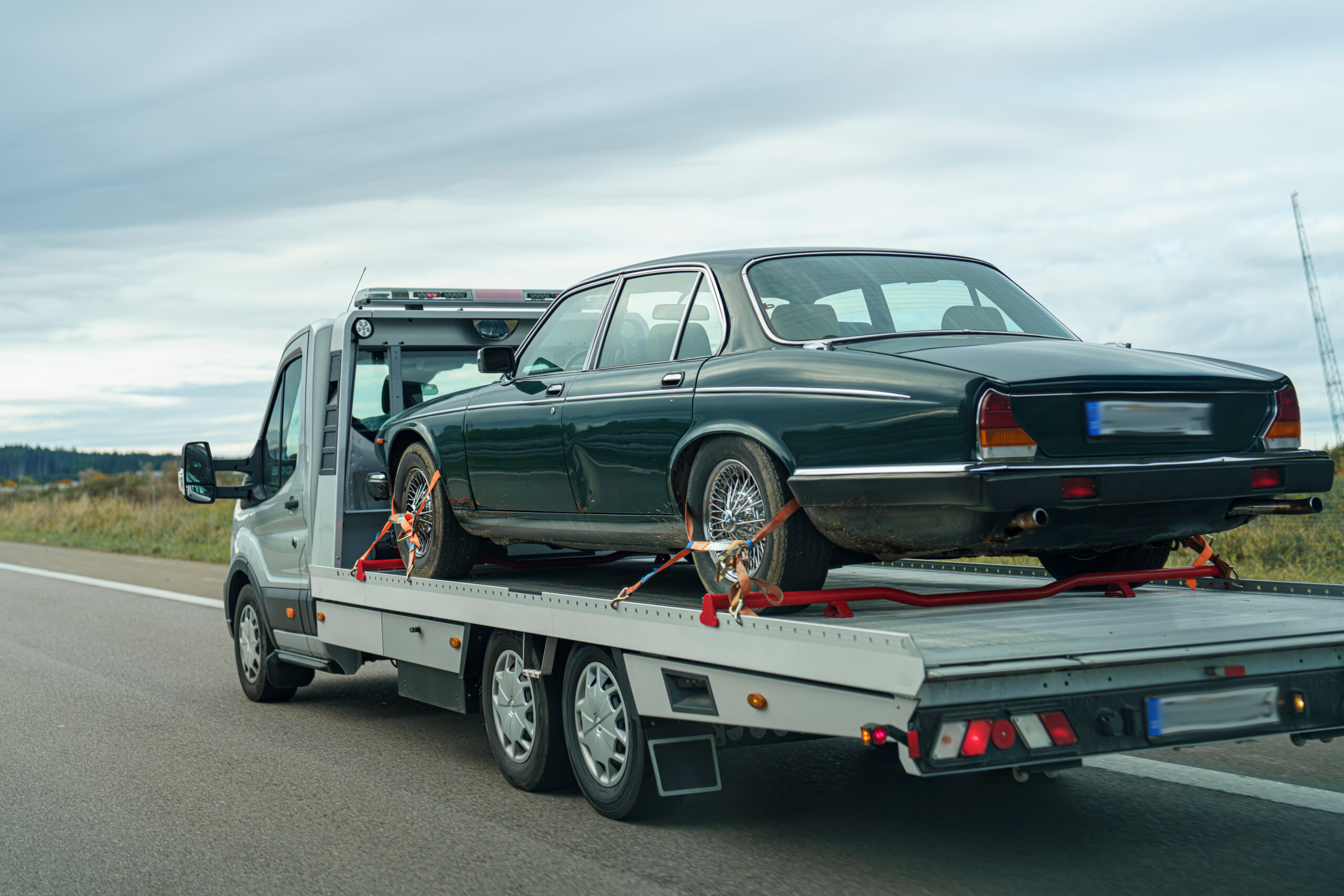
Salvage cars can be difficult to move because they are often damaged, unsafe or not road legal. Some have accident damage, missing parts, broken suspension or locked wheels, which makes normal driving impossible.
A professional vehicle transport company can move salvage vehicles safely from auctions, recovery yards, garages or private locations.
Why salvage cars need specialist transport
Salvage vehicles are usually not suitable for driving on public roads. They may have:
- Accident damage
- Broken steering or suspension
- Flat or damaged tyres
- Airbag deployment
- Engine or gearbox faults
- Missing body panels or lights
Even if the car starts, it may still be unsafe to drive.
Where salvage cars are usually collected from
Salvage vehicles are commonly collected from:
- Salvage auction sites
- Insurance storage yards
- Recovery compounds
- Bodyshops
- Private sellers
Where salvage vehicles are delivered
After collection, salvage cars are often transported to:
- Repair workshops
- Bodyshops
- Storage yards
- Home garages
- Specialist rebuilders
What to tell the transport company
When arranging salvage car transport, provide as much detail as possible:
- Vehicle make, model and registration
- Collection and delivery postcodes
- Whether the vehicle rolls freely
- Whether the wheels are damaged or locked
- Whether keys are available
- Photos of the damage if possible
This helps the transporter prepare the right equipment for safe loading.
Loading damaged vehicles safely
Salvage cars may need winch loading, wheel skates or extra care if the damage affects steering, brakes or suspension. The vehicle must also be secured properly to prevent movement during transport.
Safe movement for damaged cars
Salvage cars need careful handling from collection to delivery. With professional vehicle transport in the UK, damaged vehicles can be moved safely to a workshop, storage location or rebuild project without causing further damage.
0 Comments